
Page 1 out of 13
All video
-

Do public works programmes work?
Public works programmes can reduce poverty and improve wellbeing by creating jobs and generating wider economic spillovers, such as higher wages and better infrastructure. Their effects, however, vary widely by place and design, as they are not a one-size-fits-all solution to poverty or unemployment.
-

Conditional cash transfers: Do they work?
Decades of evidence from Mexico and Brazil show that conditional cash transfers reduce poverty, improve education and employment, boost local economies, and yet can still be undone when policy ignores research.
-

Getting bang for your buck on education spending: Evidence from Tanzania
Interventions aimed at alleviating multiple constraints are often needed to achieve the desired impact
-
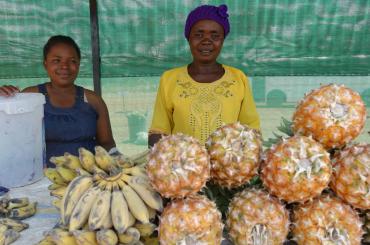
Can women find trust in the market?
In markets in Lusaka where chiefs serve as arbiter of contract disputes, women are more likely to trust their male counterparts and to share and cooperate more
-
Building a good jobs economy
Creating well-paying and secure jobs for the future must require a holistic, collaborative strategy that addresses the structural deficiencies in the labour market
-

The power of edutainment: Evidence from Brazil and Nigeria
Telenovelas in Brazil helped reduce fertility rates, while an MTV drama increased knowledge about HIV in Nigeria and encouraged safer sexual practices
-

Can imposing tariffs tackle trade imbalances?
Domestic policies should do more to address inequality in the gains from international trade
-
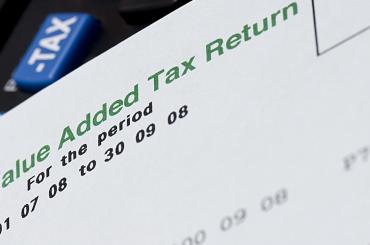
Raising money for the state: Lessons on reducing tax evasion from Chile and Ecuador
Value-added tax (VAT) can facilitate tax enforcement by generating paper trails on transactions between firms
-
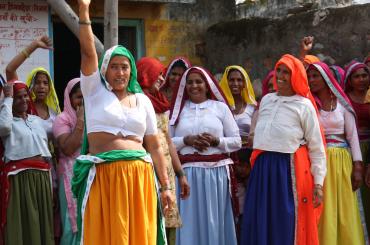
Women as policymakers: Evidence from a randomised policy experiment in India
Women leaders increase the provision of public goods that benefit women and children more, and also raise the aspirations of girls and their parents