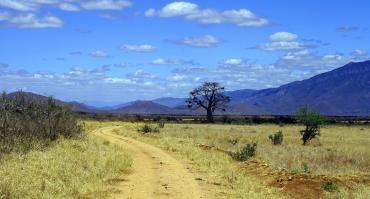
The most remote villages in Northern Tanzania pay 40–55% more for fertiliser than villages with better market access. Halving travel costs leads to a nearly fourfold increase in fertiliser adoption.
Population displacement may become an obvious adaptation margin to climate change in vulnerable regions like sub-Saharan Africa. How large will future climate-induced migration flows be? What could the associated welfare losses be, and what can polic...
The caste system in India discriminates against lower-ranked castes, reducing their access to finance and dampening their entrepreneurial potential. This social norm imposes significant macroeconomic costs, ultimately impeding economic development.
Unemployment insurance (UI) in Senegal can provide significant welfare gains, but given high levels of informality and a lack of transparency about workers’ status, these gains depend on programme design. UI funded through payroll taxes is effective ...
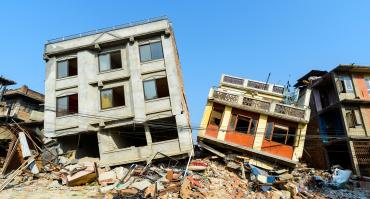
Existing disaster aid programmes focus on property owners that experience physical damages. Evidence from Nepal shows that a broader and less targeted approach could be easier to implement and better for welfare.
While vouchers may provide students with more choice, private schools may respond by changing tuition fees, affecting those without vouchers. Examining India’s school voucher programme sheds light on how governments can improve school voucher program...
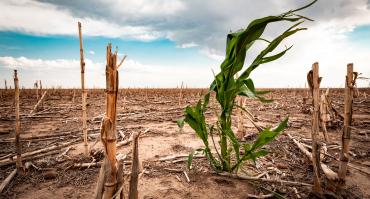
Governments often seek to protect domestic consumers following climate shocks to agricultural production, but these policies may exacerbate global losses.
Barriers to entry facing new firms are a major source of regional economic differences. Removing these barriers can play an important role in economic convergence and growth.