China’s 2014 business registration reform spurred greater market dynamism by lowering entry barriers, which increased firm turnover and allowed smaller yet more productive entrepreneurs to establish new businesses, boosting overall productivity and g...
China’s New Rural Pension Scheme unexpectedly lowered the high cost of migration by freeing younger workers from household duties – boosting migration, wages, household welfare, and even national GDP.
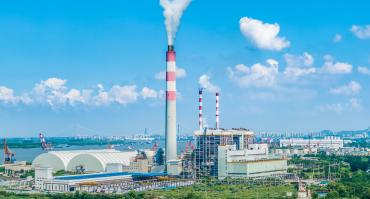
Carbon offset programmes aim to lower emissions by allowing high-income countries to meet part of their reduction targets by financing projects in low- and middle-income countries. Evidence from China—one of the world’s largest suppliers of these pro...
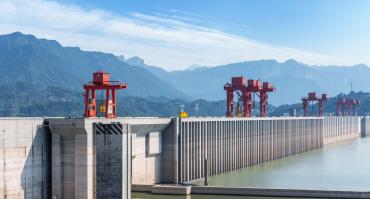
China’s South-North Water Diversion Project delivered substantial agricultural and economic gains to water-receiving regions, with limited costs to source areas—highlighting the promise of large-scale, long-distance transfers in tackling water scarci...
Industrial policy is often discussed through high-level narratives and flagship initiatives, yet its implementation—particularly at the subnational level—remains opaque. By using large language models (LLMs) to systematically analyse over three milli...
While the female labour force participation rate in China is currently above the global average, it has declined in recent decades, and women still face numerous structural challenges in the labour market. What are these barriers, and how can policy ...