COP30 presents an ambitious agenda for advancing climate goals amid unprecedented global uncertainty. How can the economic evidence covered on VoxDev since COP29 – on biodiversity, agriculture, cities, health, and renewables – and the subsequent gaps...
Air conditioning adoption in Mexico has grown much faster than earlier forecasts, with nearly one million more units installed than predicted, largely due to falling electricity prices and rising energy efficiency that lowered the cost of cooling.
Climate change poses severe and unequal economic risks, especially for developing countries – where evidence gaps in mitigation, adaptation, and labour transitions highlight urgent research and policy priorities.
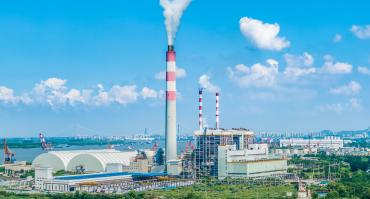
Carbon offset programmes aim to lower emissions by allowing high-income countries to meet part of their reduction targets by financing projects in low- and middle-income countries. Evidence from China—one of the world’s largest suppliers of these pro...
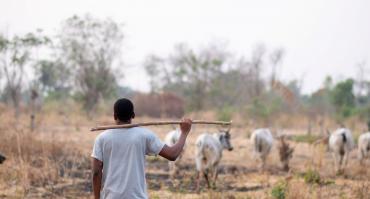
As climate change stretches Nigeria’s dry seasons and disrupts traditional grazing patterns, tensions between nomadic herders and settled farmers fuel violent conflict—most intensely just before the planting season. New research shows how repeated ex...
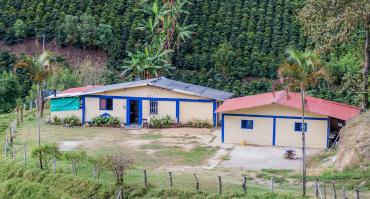
Evidence from Colombia shows that weather shocks induce a fragmentation of the farm-size distribution and exacerbate the prevalence of small farms in an economy, shedding light on how climate change might lower agricultural productivity in developing...