Transforming developing countries through private sector investment What do development finance institutions do, and how do they do it? Finance Nick O’Donohoe Published 01.08.18
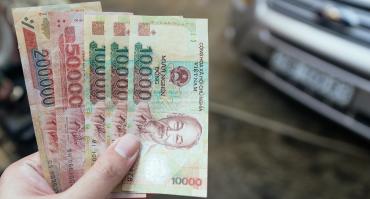
Growing out of corruption Economic growth can reduce corruption. A Vietnamese study shows that when employment in an industry doubled, bribery fell by 1.6 percentage points Institutions & Political Economy Jie Bai Seema Jayachandran Edmund Malesky Benjamin Olken Published 23.07.18
Evidence to practice: Context-based data collection Robin Burgess, director of the IGC, talks about the importance of careful data collection and the structure of civil service.* Institutions & Political Economy Robin Burgess Published 03.06.18
How to organise public procurement More discretion in the selection of contractors facilitates corruption, increases contract expense, and decreases contractor efficiency Public Economics Ferenc Szucs Published 19.04.18
Grease in the Wheel: Corruption and firms Emanuele Colonnelli investigates how randomised audits on government procurement contracts in Brazil affect the real economy and firm behaviour. Firms Emanuele Colonnelli Published 01.02.18
Corruption, bribery, and public sector hiring in developing countries Government jobs are often allocated based on bribes and patronage. How does this process work, and can this lead to good outcomes? Public Economics Jeff Weaver Published 04.01.18
Elections and corruption: Politics and public procurement in India Political interference in government contract allocation when ruling power changes hands, combined with lack of accountability, leads to corruption Institutions & Political Economy Jonathan Lehne Jacob Shapiro Oliver Vanden Eynde Published 08.12.17
To cut waste and graft, collect taxes When local governments in Brazil improve tax collection rather than rely on grants to raise revenues, local officials help citizens, not themselves Public Economics Lucie Gadenne Published 29.09.17
Democracy in Pakistan: Elections tell us why politicians behave badly Politicians in Pakistan provide patronage and are perceived as corrupt. Regime instability and incumbency disadvantage may explain their behaviour. Institutions & Political Economy Madiha Afzal Published 14.08.17