Evidence from India and Pakistan shows that harnessing district officials’ local pollution incentives reduces crop fires by up to 14.5% and deters burns by a further 13%, significantly lowering infant and child mortality.
Half of South Africa’s gender pay gap comes from women sorting into low-paying firms, with low formality and high churn being key to understanding this dynamic.
Between 2009 and 2013, several Brazilian states and state capitals adopted strict smoking bans; this was followed by a national-level ban in 2014. Comprehensive bans and strict enforcement were crucial to the effectiveness of these policy efforts.
Does living near Special Economic Zones make African households better off? New evidence suggests it can, revealing substantial gains in wealth, utilities, and education.
The end of guerrilla violence in Colombia reshaped the composition of healthcare workers in conflict-affected areas. Despite redistributing healthcare workers away from these areas, they maintained service quality, offering valuable insights for publ...
The witches’ broom disease in Brazil decimated cocoa plantations, resulting in disrupted livelihoods, altered labour contracts, and reduced educational and earnings outcomes in the long term.
Evidence from Mexico suggests that carefully designed outsourcing regulation can significantly improve wages without reducing employment in developing countries.
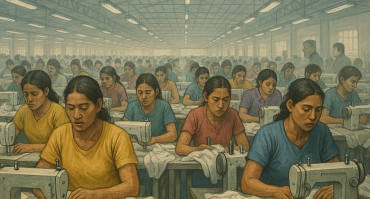
When new manufacturing sectors emerge in developing countries, a significant share of the workforce is often comprised of women, many of whom previously lacked access to non-agricultural employment. Such employment can have important consequences for...