Youth camps integrating sports, rituals, and civics training built intergroup ties, reduced bias, and enhanced well-being among adolescent boys in India.
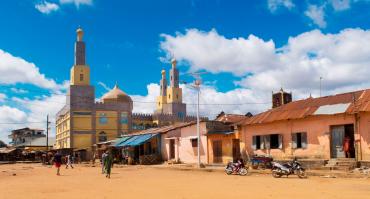
Leonard Wantchekon’s journey demonstrates how activism, rigorous scholarship, and institution-building can work together to strengthen democracy, rebuild trust, and promote locally led development across Africa.
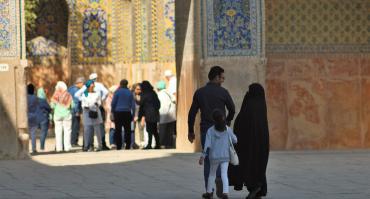
International sanctions are used as a powerful tool of statecraft, but their broader societal consequences are often overlooked. Since 2012, comprehensive sanctions on Iran have drastically eroded its middle class, undoing decades of social progress ...
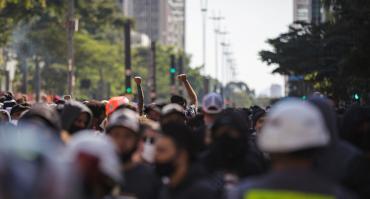
Anti-corruption campaigns – such as Brazil’s Lava Jato – can reduce corruption but may also trigger significant unintended economic costs – disrupting credit markets while reducing employment and wage bills across both targeted and non-targeted firms...
Stalin’s forced deportation of educated ‘enemies of the people’ inadvertently concentrated human capital in Gulag towns, fostering inter-generational prosperity and long-term development despite the destructive intent of the repression.
Male internal migration in India expands women’s roles and increases their political engagement by easing day-to-day restrictions even in the absence of their financial empowerment.
India’s 75-year journey of development has intertwined nation-building, democracy, and economic transformation in ways that challenge conventional theories of growth – highlighting both the achievements and enduring tensions between inclusion, govern...
The 1933 Soviet famine was not the inevitable result of poor harvests but of Stalin’s collectivisation and procurement policies, which disproportionately targeted Ukrainians and produced catastrophic, unequal mortality.