

China
-
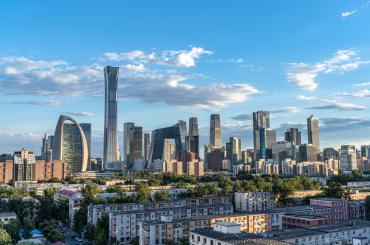
China's economy: 150 years of growth in 10 minutes
Over the past 150 years China moved from a closed, self-sufficient economy to the world's largest trading nation through forced opening after the Opium Wars, a Soviet-style planned economy, Deng Xiaoping's 1978 market reforms, and WTO accession in 2001, with industrial policy now pushing it up the value chain into sectors like electric vehicles.
-
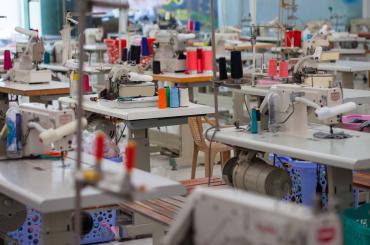
Building global supply chains and attracting investment
Bill McRaith on building factories from 1990s China to present day Ethiopia, being pitched by governments, and the future of the apparel industry.
-
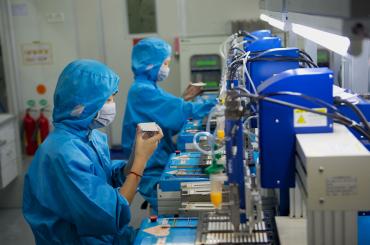
How China became a global pharmaceutical powerhouse
A national drug reimbursement reform in China, which traded price reductions for guaranteed patient access, dramatically expanded the country’s pharmaceutical innovation, offering a rare policy model that reconciles drug affordability with R&D incent...
-

The Four Pests campaign and China's Great Famine
New research quantifies how China's mass campaign to eradicate sparrows during the Great Leap Forward disrupted natural pest control, reduced crop yields, and contributed to millions of deaths during the Great Famine.
-

Understanding China’s huge expansion of health insurance
A government-endorsed supplemental insurance scheme in China expanded coverage for hundreds of millions of people, but also crowded out private insurance purchases, suggesting that enrolment growth alone overstates the true gains in risk protection.
-

Why some entrepreneurs start more firms
New research on China shows that entrepreneurs who start multiple firms are more productive on average – but this conceals a troubling pattern: some succeed not because of skill, but because of preferential access to finance.
-
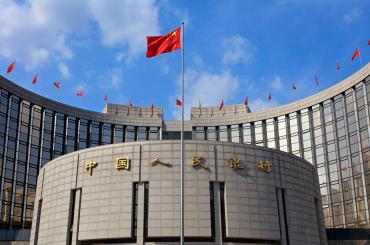
The rise and fall of China’s overseas lending
China's trillion-dollar lending boom to the developing world has followed the same boom-bust pattern as past sovereign debt cycles, leaving many low-income countries trapped in a silent debt crisis with little prospect of coordinated relief.
-
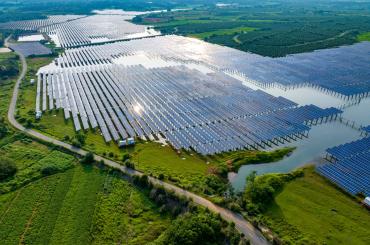
Ray of hope? The rise of solar energy in China
China’s solar subsidies triggered innovation and learning-by-doing that dramatically lowered global solar costs while generating domestic economic gains large enough to outweigh the subsidy costs, showing that green industrial policy can simultaneous...
-
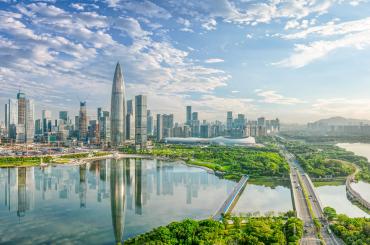
Technology diffusion: The role of venture capital, universities and China
Josh Lerner discusses why there is a gap between innovation and impact, and how policymakers can speed up technological diffusion.