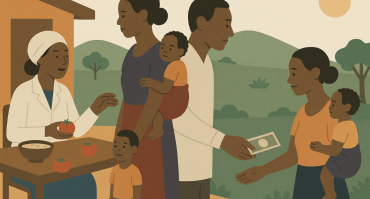
Benchmarking multi-dimensional in-kind programmes against cost-equivalent unconditional cash transfers reveals that cash can be more effective in improving consumption and asset accumulation.
A phone-based intervention in Uruguay, which included access to an AI chatbot, demonstrates how behavioural insights can enhance parenting practices and improve early childhood development at scale.
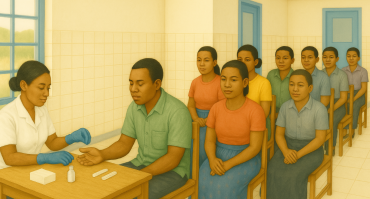
In 2004, a randomised controlled trial provided individuals in Malawi with information about their HIV status, despite treatment being unavailable in the country at the time. Did knowing one’s diagnosis help or hurt?
Long-term research on the One Laptop per Child programme reveals that providing laptops to students did not have a positive impact on educational outcomes, likely driven by lack of effects on cognitive skills and limited classroom adoption.
Despite the high HIV prevalence in Malawi, individuals do not seem to adjust their behaviour to avoid infection—this may be due to the perceived transmission risk being so high that people become fatalistic, assuming they are doomed to HIV infection ...
When a family member becomes disabled, individuals become more risk averse—a finding with significant implications for policies that address poverty and vulnerability in disability-affected households.
As the global refugee crisis escalates, there is a growing need for evidence on refugee housing policy. Evidence from Jordan suggests that housing subsidies for Syrian refugees had limited benefits for refugee well-being while worsening social cohesi...
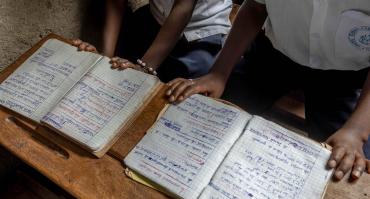
Can taking textbooks home improve student learning when resources are highly constrained? New research from fragile areas in the Democratic Republic of the Congo suggests it can.
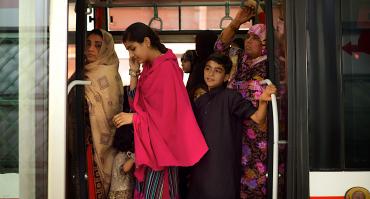
A lack of safe transportation prevents women in urban Pakistan from entering the labour market. A programme providing subsidised, women-only transport was able to tap into a large pool of female workers, improving mobility and economic empowerment.