Deactivating multimedia on WhatsApp in Brazil consistently reduced exposure to online misinformation during the pre-election weeks in 2022, but did not impact whether false news was believed, or reduce polarisation.
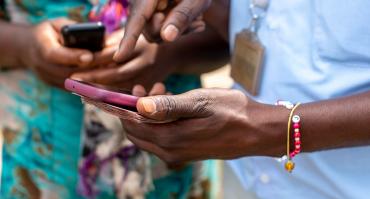
Increasing women’s use of a digital financial service in Tanzania, mobile money, empowered women and led to improvements in women’s control over their finances.
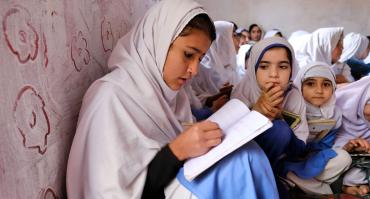
Communicating tailored high teacher expectations led to large improvements in student performance in Pakistan. Providing reminders about past performance also had similar effects, particularly in environments with low parental literacy, whilst peer m...
Evidence from a large-scale trial in Bangladesh shows that improving credit access in rural areas helped farmers adapt to flood risks without negative spillovers, and was profitable for microfinance institutions.
Providing free access to all modern contraceptive products for three years in local public health centres in rural Burkina Faso had no detectable effect on birth rates, suggesting that fertility levels are in line with how many children families want...
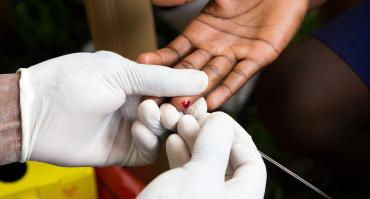
A new experiment in Mozambique found that the social stigma attached to HIV has been falling, but people do not tend to realise it. A simple message that informed individuals of their communities’ true (low) degrees of stigma substantially increased ...
New causal evidence shows boosting African women's income and wealth increases fertility, particularly among women without a son, suggesting that this fertility increase is a means to safeguard long-term economic security.
In the conflict between Christians and Muslims in Nigeria, fear (rather than hate) is the main driver, it is founded on misperceptions, and proves hard to change with policy.
An adaptive field experiment aiming to integrate Syrian refugees into urban labour markets in Jordan sheds light on the effectiveness of different policies, while targeting the welfare of experimental participants.